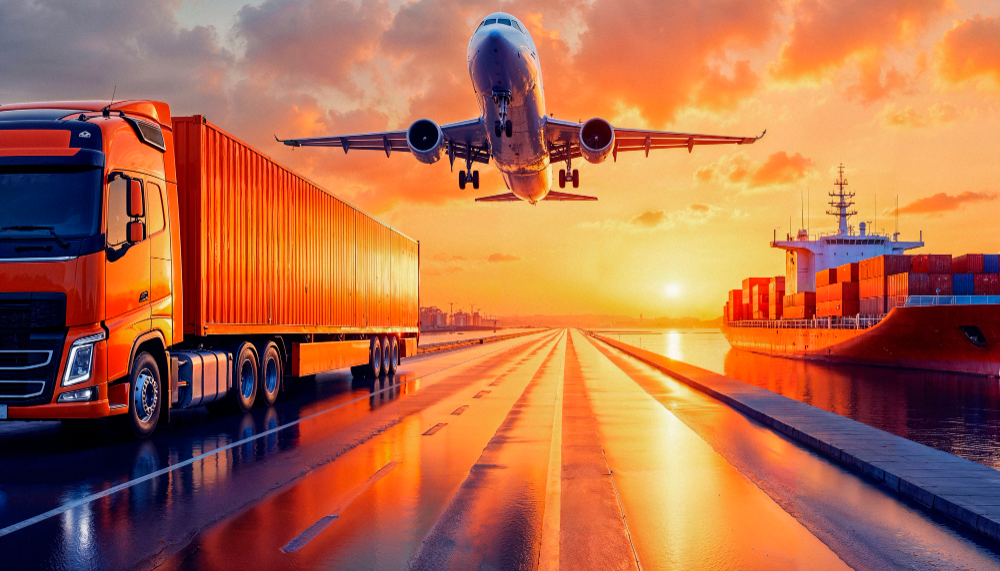
One of the first decisions every importer faces is how to ship: by air or by sea. Both have their place, and the right choice depends on your cargo, budget and timeline.
When air freight wins
- Speed: Days rather than weeks — ideal for urgent stock or perishable goods.
- High-value items: Lower insurance costs and tighter security.
- Small, light shipments: Where the volume does not justify a sea container.
When sea freight wins
- Cost: Dramatically cheaper per kilogram for heavy or bulky cargo.
- Large volumes: Full container loads (FCL) or shared containers (LCL).
- Non-urgent goods: When you can plan ahead and order in advance.
The cost rule of thumb
Air freight is priced on whichever is greater: actual weight or volumetric weight. Sea freight is priced largely on volume (cubic metres) or per container. As a rough guide, the heavier and bulkier your cargo, the more sea freight saves you.
A blended approach
Many businesses use both: sea freight for routine bulk restocking and air freight for fast-moving or emergency items. The key is planning your inventory so you rarely have to pay premium rates.
Not sure which fits your shipment? Tell us what you are moving and we will recommend the most cost-effective option.